The riqq (also spelled riq) is one of the most important percussion instruments in the family of frame drums, widely used in Middle Eastern music, particularly in classical Arabic music. Despite its relatively small size, it is considered one of the most technically sophisticated percussion instruments in the region, both in terms of its technical capabilities and its musical role. In addition to providing rhythmic accompaniment, the riqq can play an independent role in performing complex rhythmic patterns (iqa‘), rhythmic ornamentation, passages, and solo techniques.
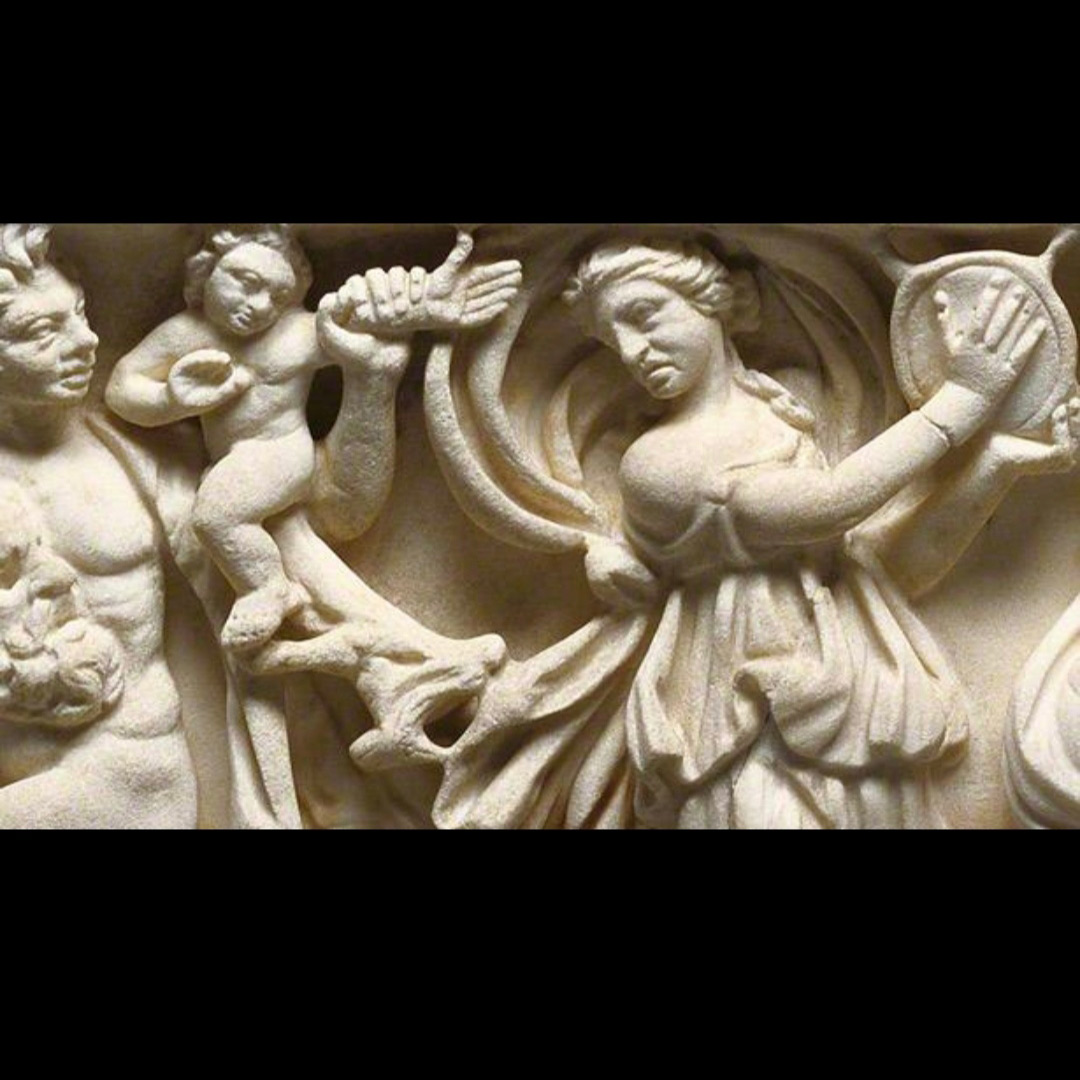
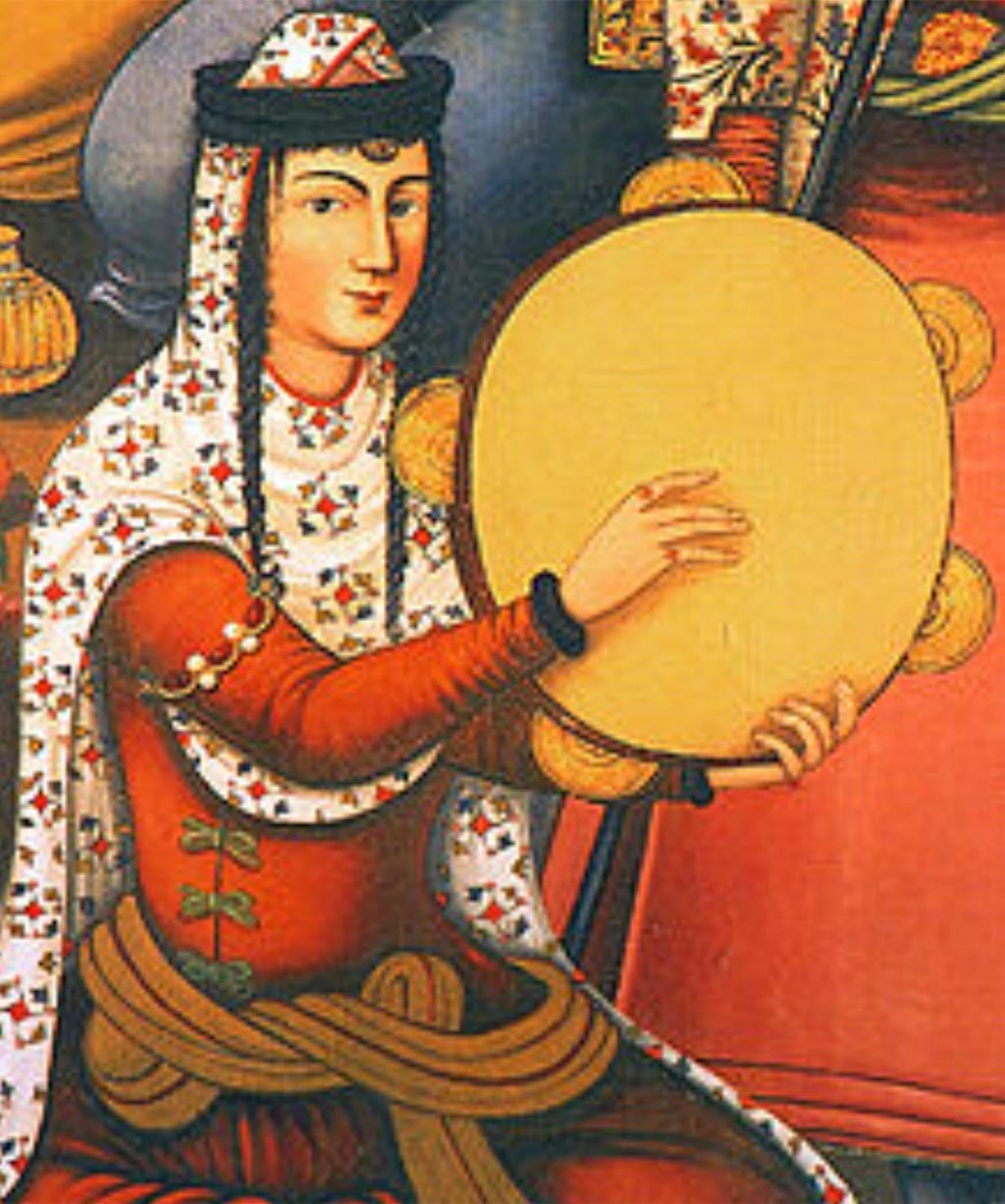
Images and archaeological artifacts indicate that frame drums with jingles were used in the ancient civilizations of Mesopotamia, Egypt, and other regions of the Middle East.
The Riqq in the Arab World:
Throughout the history of Arabic music, the riqq evolved into one of the principal accompanying instruments for vocals and melodic instruments. It became particularly important within the musical tradition of Egypt, as well as across the broader Arab world. In Arabic music, rhythmic structure is based on the concept of iqa‘ (rhythmic cycles). A riqq player can produce a variety of sounds by striking different areas of the instrument, including the center of the head, the edge of the head, the frame, and the jingles (jalajil). The combination of these sounds makes it possible to perform a wide range of rhythmic patterns.
The Structure of the Riqq
:
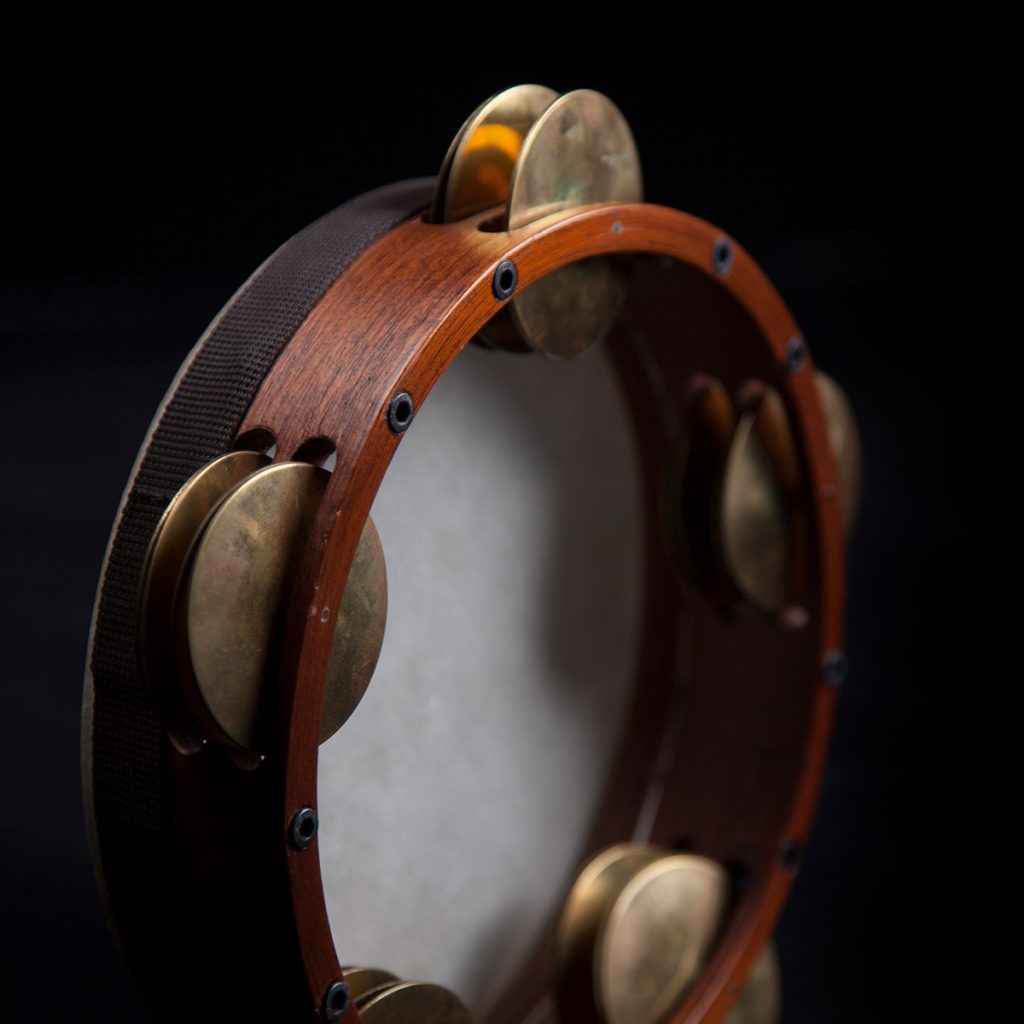
The riqq typically consists of a wooden frame—or, in some modern versions, a frame made from synthetic materials—a stretched drumhead, and a set of jingles. The pairs of metal cymbals mounted around the frame give the instrument its distinctive sound. In traditional versions, natural animal skins, particularly fish or goat skin, were used for the drumhead. Today, both natural and synthetic heads are used. Synthetic materials offer greater resistance to changes in temperature and humidity, while also providing more consistent tuning. The dimensions and thickness of the frame, the type of drumhead, the number of jingles, and the construction method can all affect the instrument’s tonal character and technical response.
Riqq Playing Technique:
Despite its simple and seemingly primitive appearance, the riqq features highly refined and sophisticated techniques, to the extent that it has sometimes been described as the “violin of percussion instruments.” It can be considered a complete drum set in itself, combining the sounds of wood, skin, and metal. Arab musicians tend to play the instrument with great expressiveness and feeling, while Turkish players often approach it with greater creativity and technical complexity. At an advanced level, playing the riqq is not simply a matter of performing a rhythmic pattern. Precise control of dynamics, articulation, tempo, tonal color, and the balance between the drumhead and the jingles becomes essential.
Among the renowned veteran masters of the riqq worldwide are:
Mehmet Akatay, Zohar Fresco, Glen Velez, Kadir Göksu, and others.
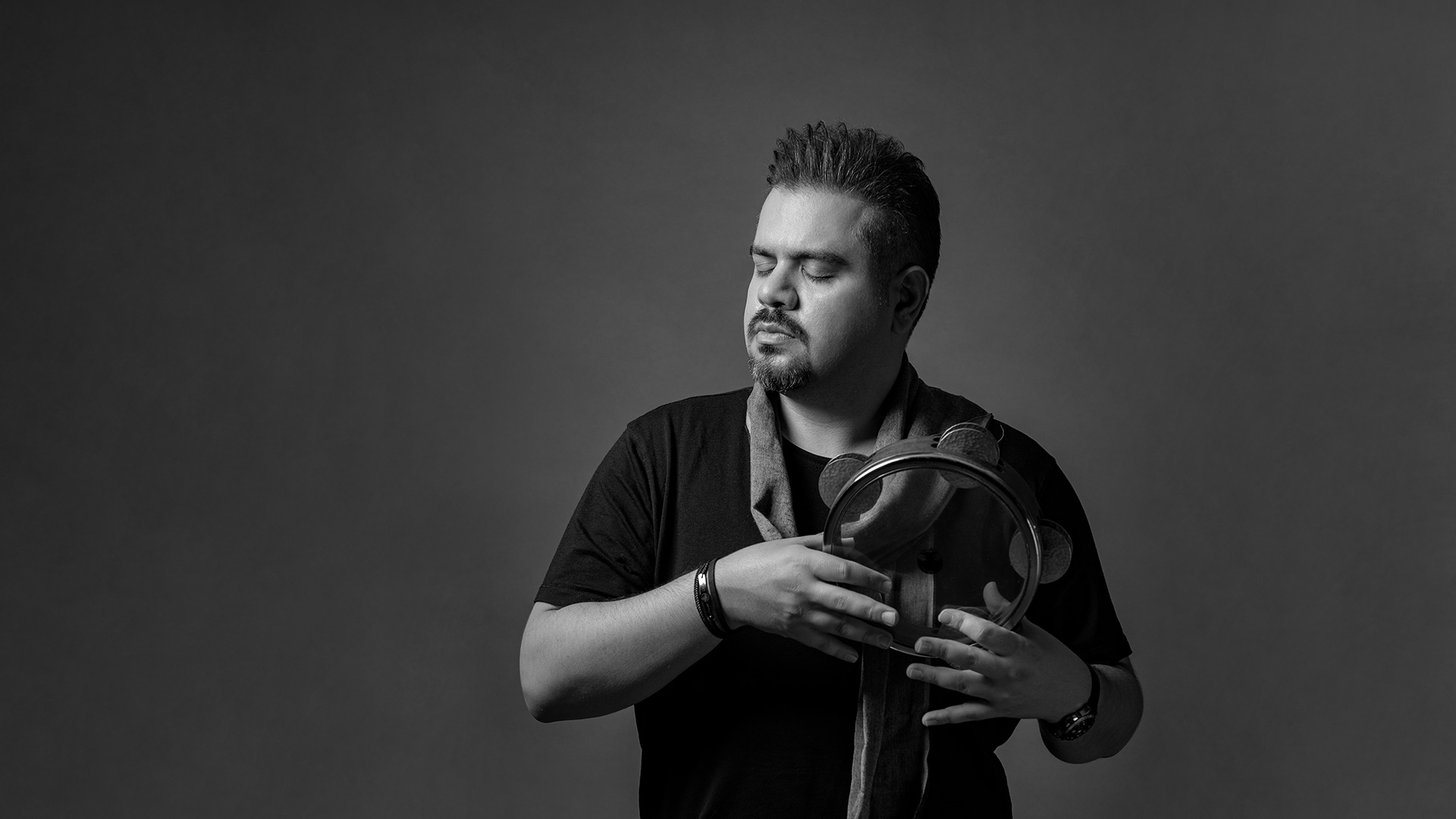
In Iran, apart from Roozbeh Zarei, there are currently no specialized teachers dedicated to teaching this instrument. It is hoped that, in the future, students of the riqq will continue to pursue a professional path as riqq players.
Riqq Teaching Method:
The introductory course
The beginner-level riqq course begins with playing the instrument in the “kabare” position. In this position, the lessons focus primarily on developing techniques for playing the jingles and producing open strokes on the drumhead. Music theory, music notation, and an introduction to Arabic iqa‘at (rhythmic cycles) are covered using a course booklet written by Roozbeh Zarei.
Intermediate course
The intermediate riqq course begins with playing the instrument in the “soft” position, where students learn muted strokes, greater finger control, and faster techniques. The course also introduces the principles of Ottoman music alongside modern rhythms, provides a comprehensive understanding of simple and compound meters, and includes ensemble playing with musical pieces.
Advanced course
In this course, students learn irregular meters, long rhythmic cycles (adwar tawila), and complex meters. The advanced riqq curriculum also includes the performance of polyrhythms, switching between the kabare and soft positions, and performing various solo pieces. Finally, students are introduced to playing the instrument in non-traditional styles, such as modern music and jazz.